Pioneering sustainable ecological solutions for a greener Romania by 2026
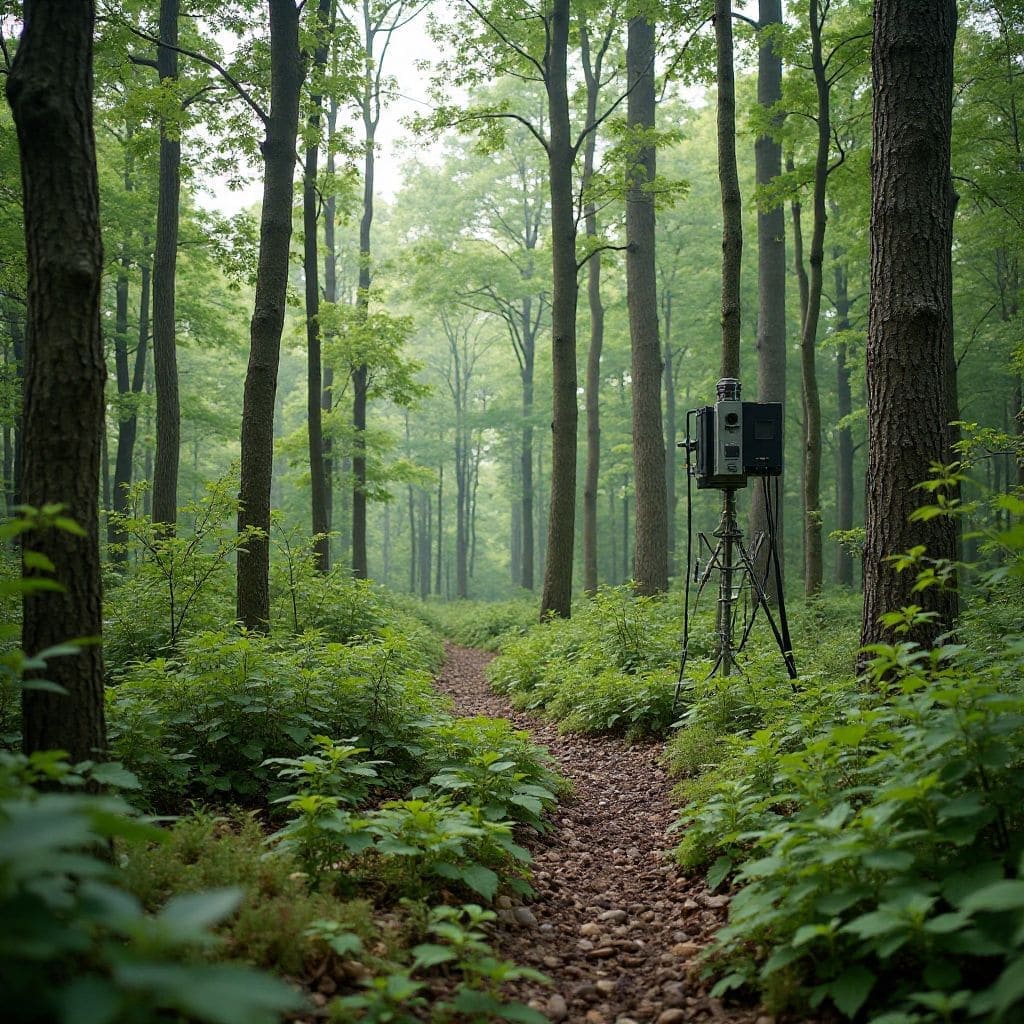
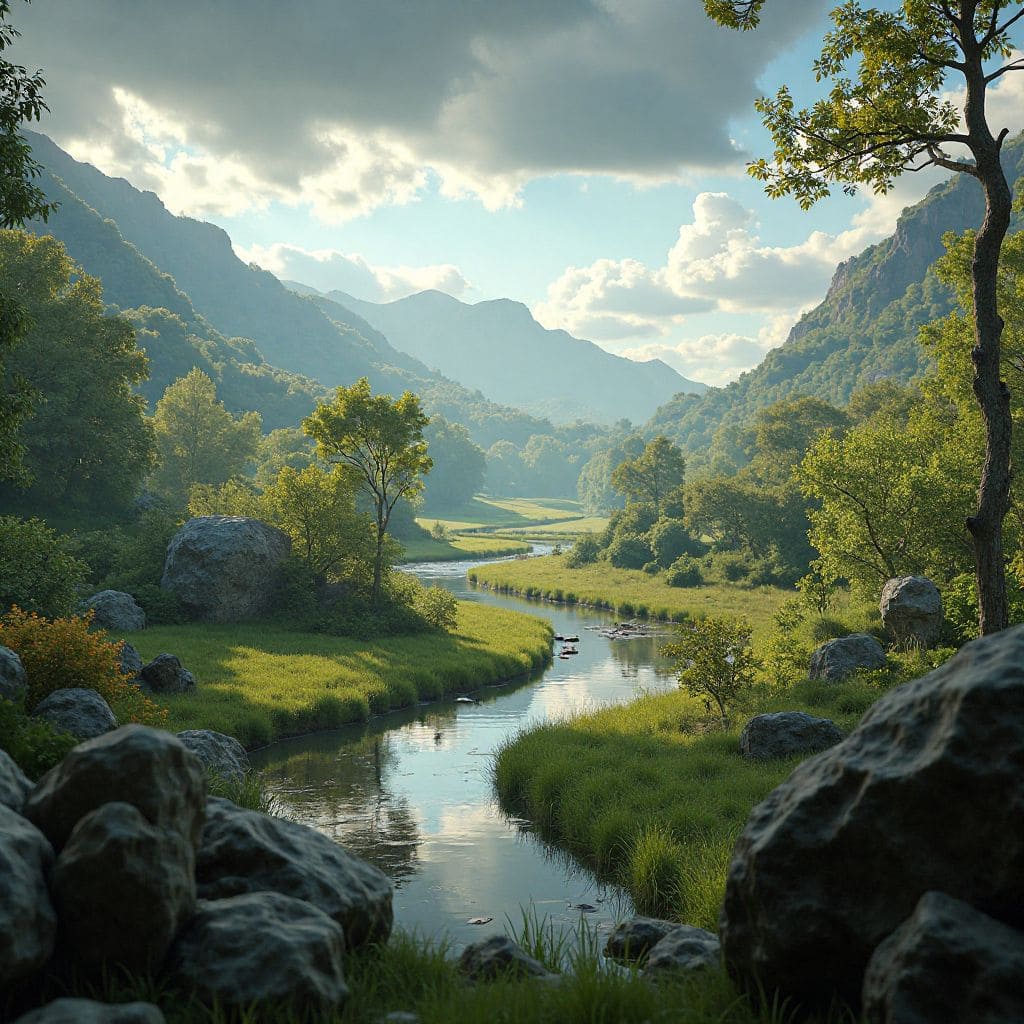
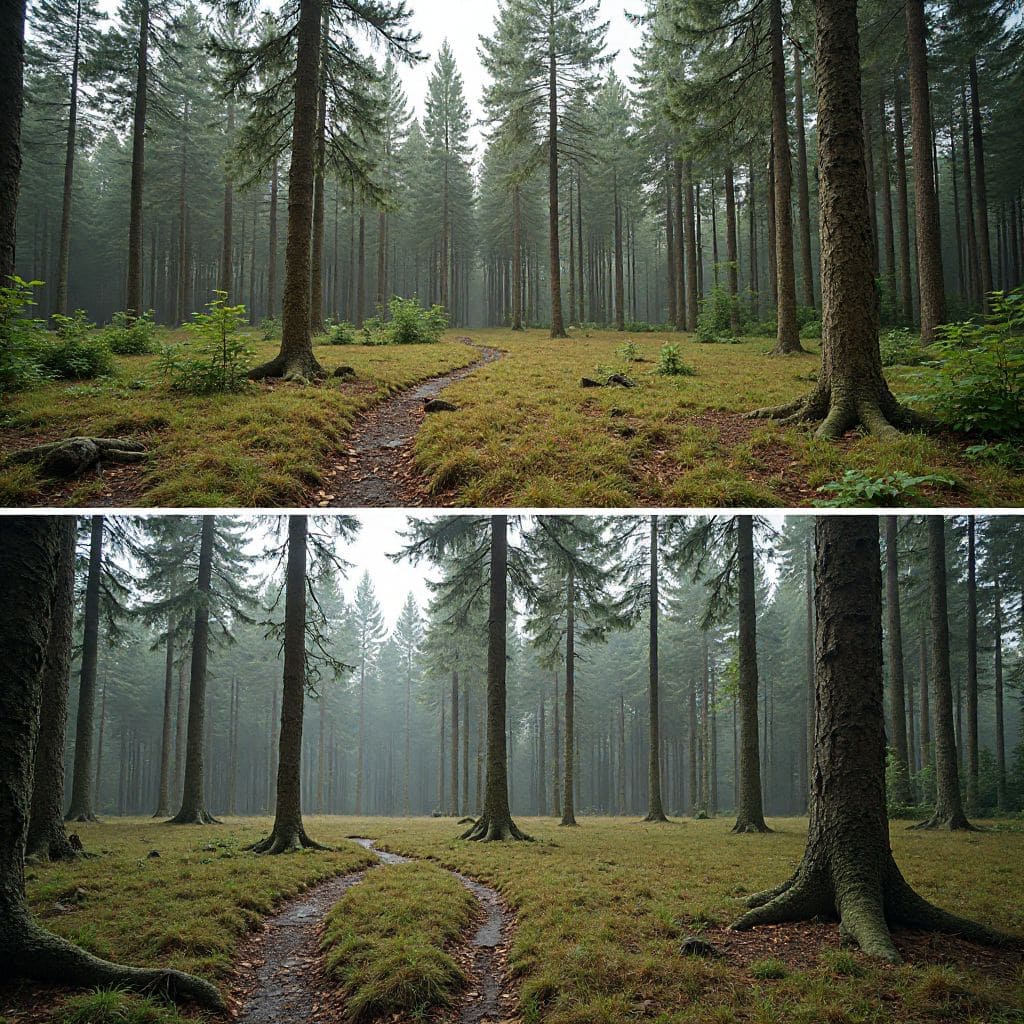
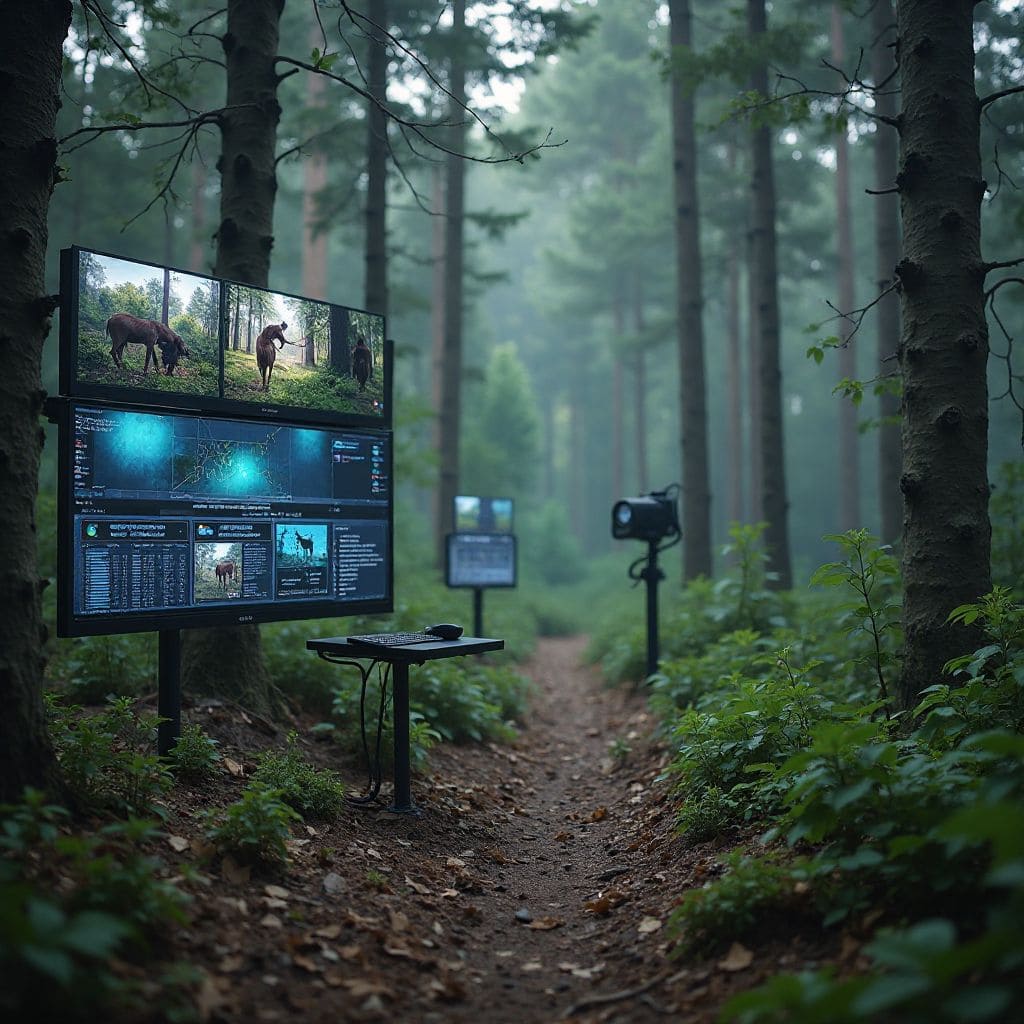
Our forest conservation programs focus on preserving Romania's ancient woodland ecosystems, which are home to some of Europe's most diverse wildlife. Through sustainable management practices and community engagement, we're working to protect over 10,000 hectares of pristine forest by 2026. These efforts include reforestation of degraded areas, wildlife corridor establishment, and implementation of advanced monitoring systems to prevent illegal logging.
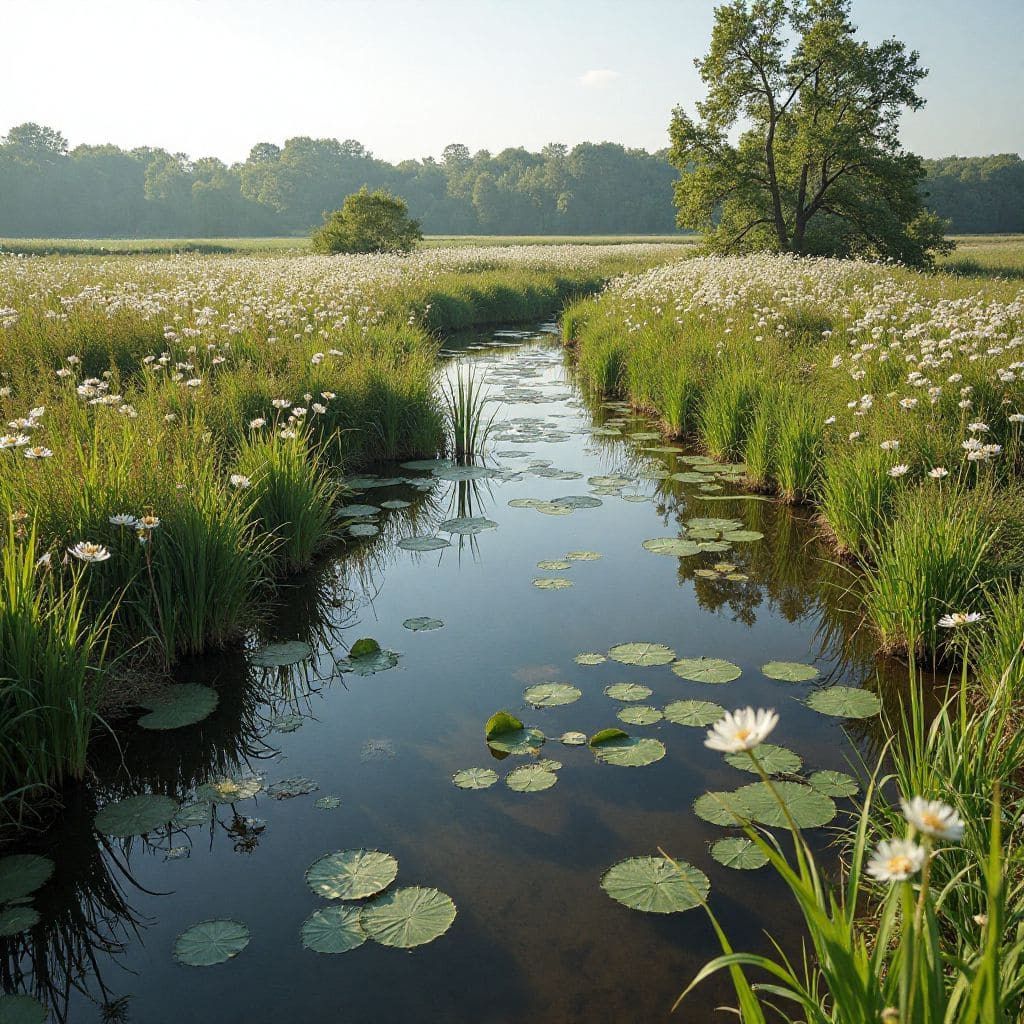
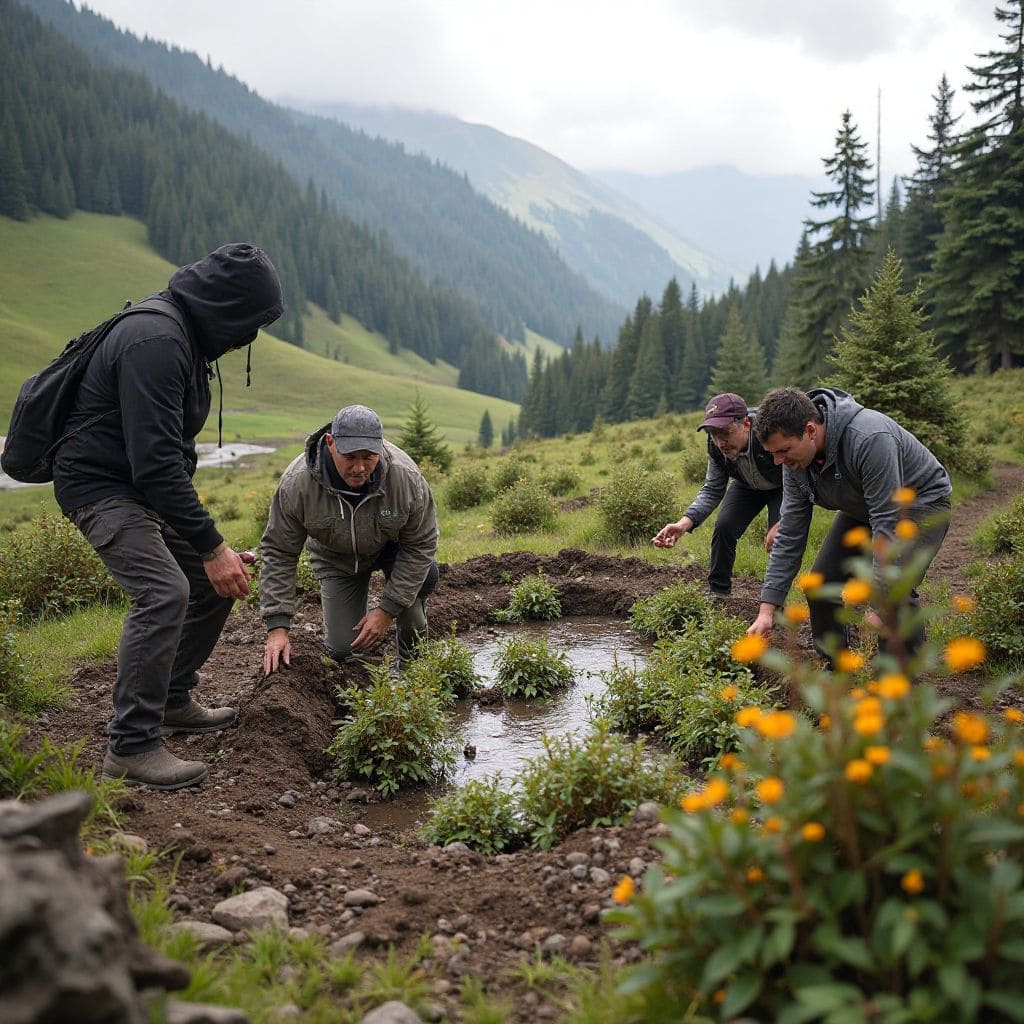
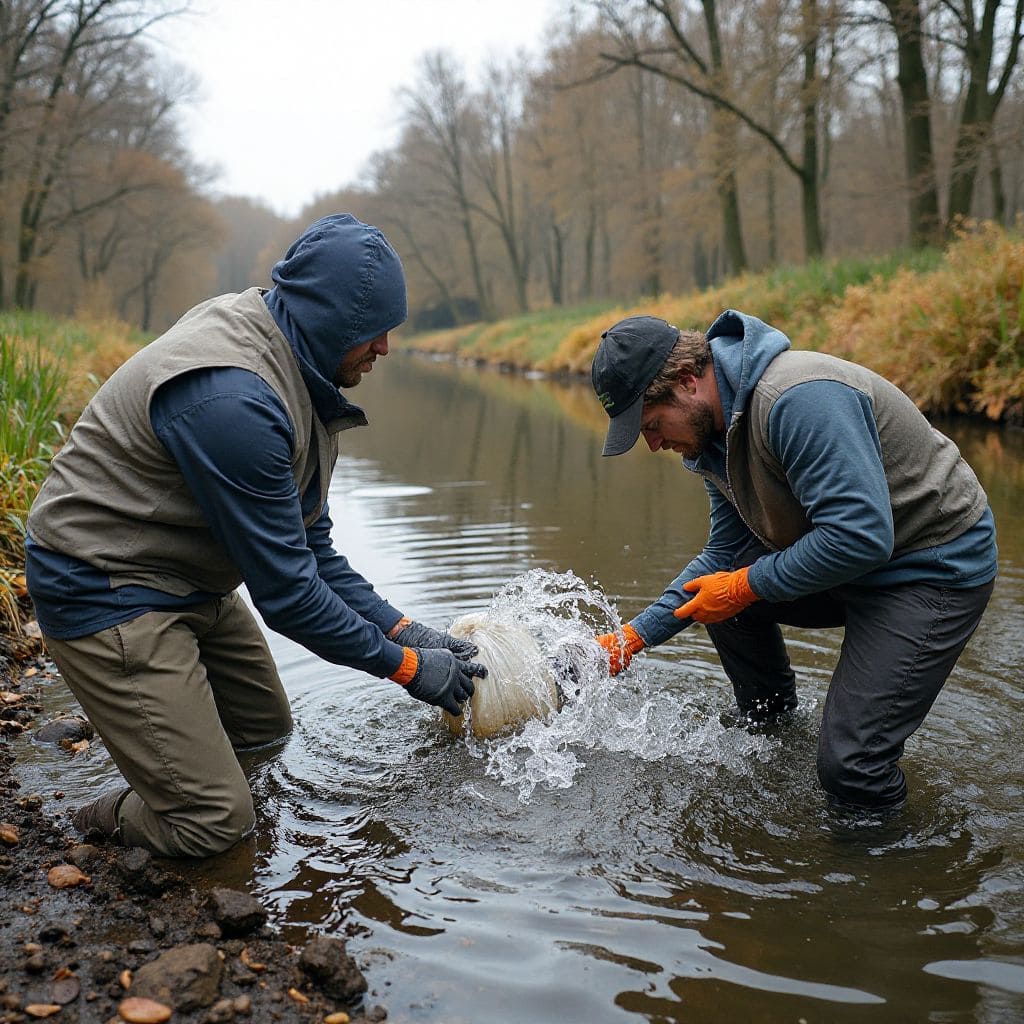
Romania's freshwater resources are vital to both ecosystems and communities. Our innovative water purification initiatives leverage natural filtration systems combined with cutting-edge technology to restore polluted waterways. We've successfully implemented nature-based solutions in five major river systems, improving water quality while creating new habitats for aquatic species. These systems use local wetland plants to filter contaminants while requiring minimal energy input.
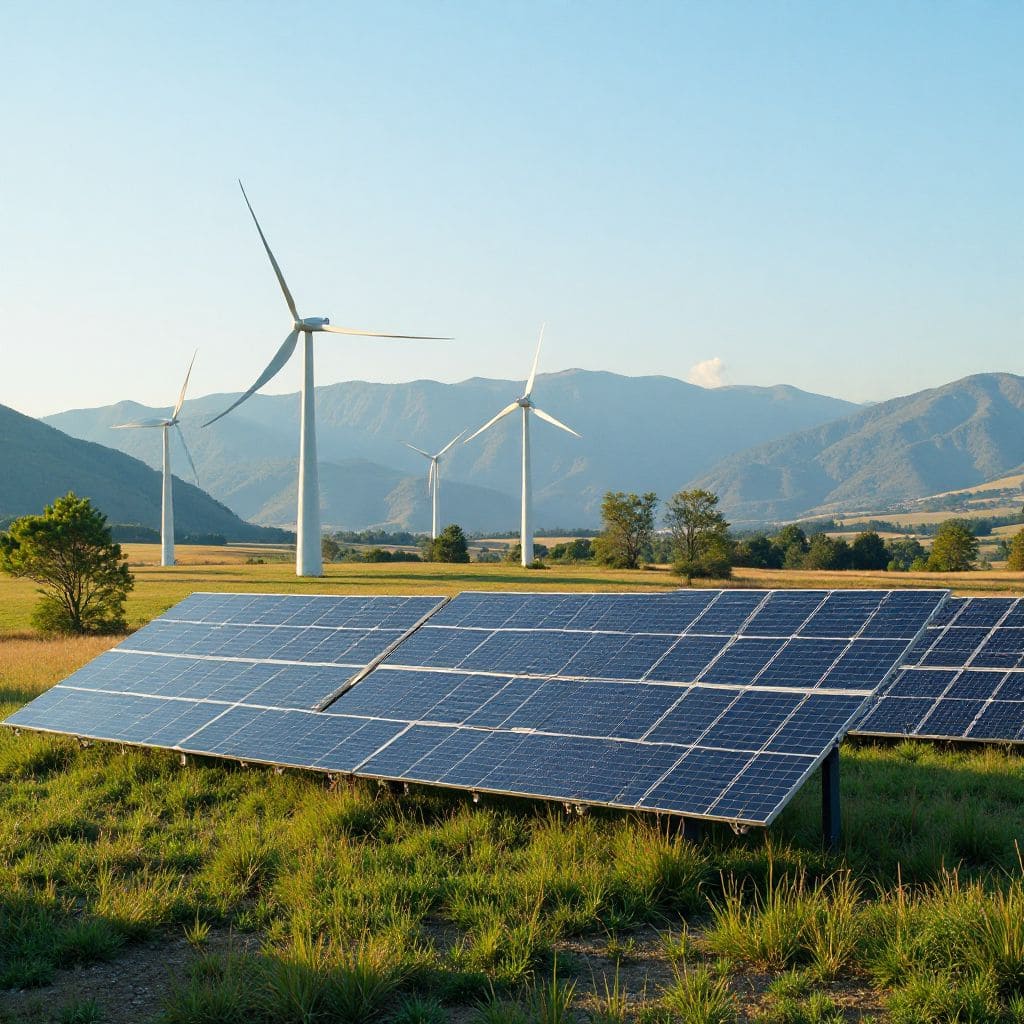
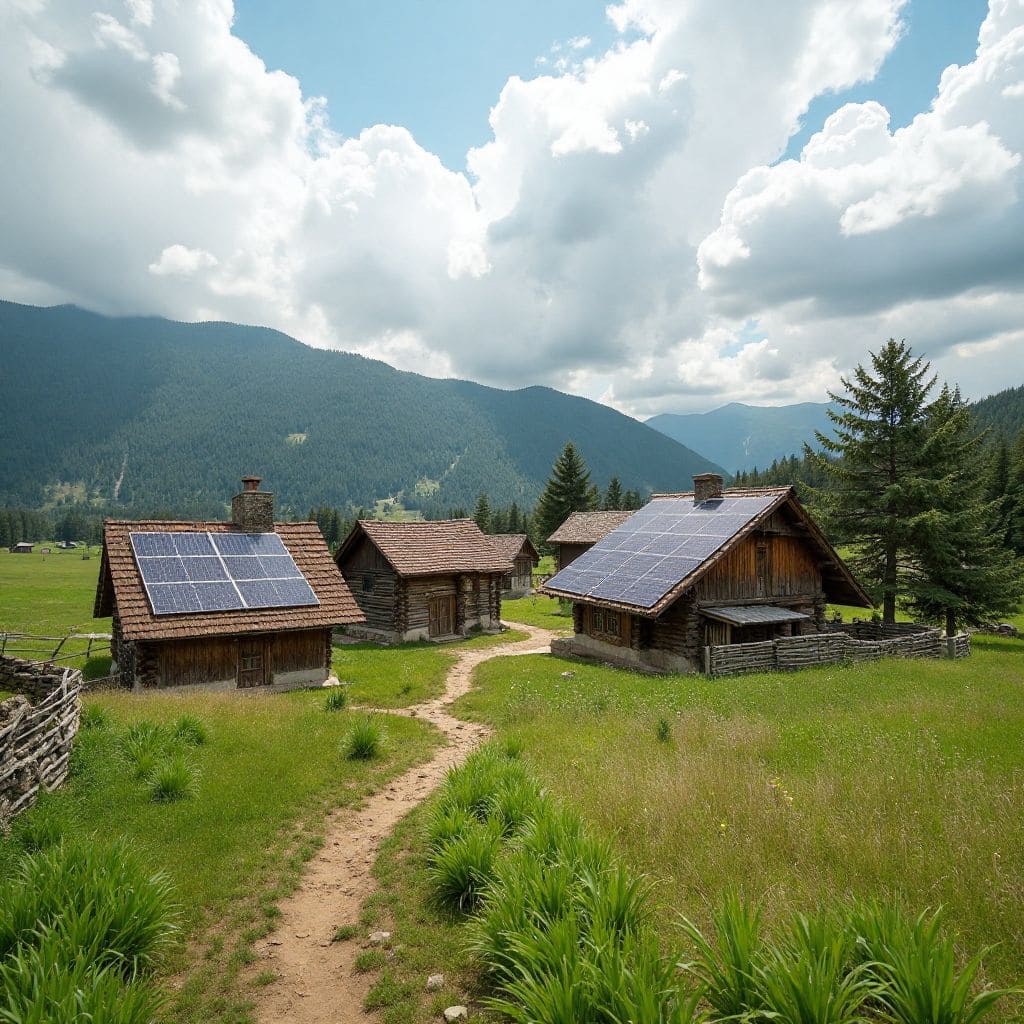
Our renewable energy portfolio includes solar, wind, and micro-hydro projects tailored to Romania's diverse geography. By 2026, we aim to establish community-owned renewable energy systems in 50 rural villages, providing clean electricity while creating local jobs. These systems are designed to harmonize with the natural environment, minimizing visual impact and protecting wildlife. Each installation includes educational components to inspire the next generation of environmental stewards.
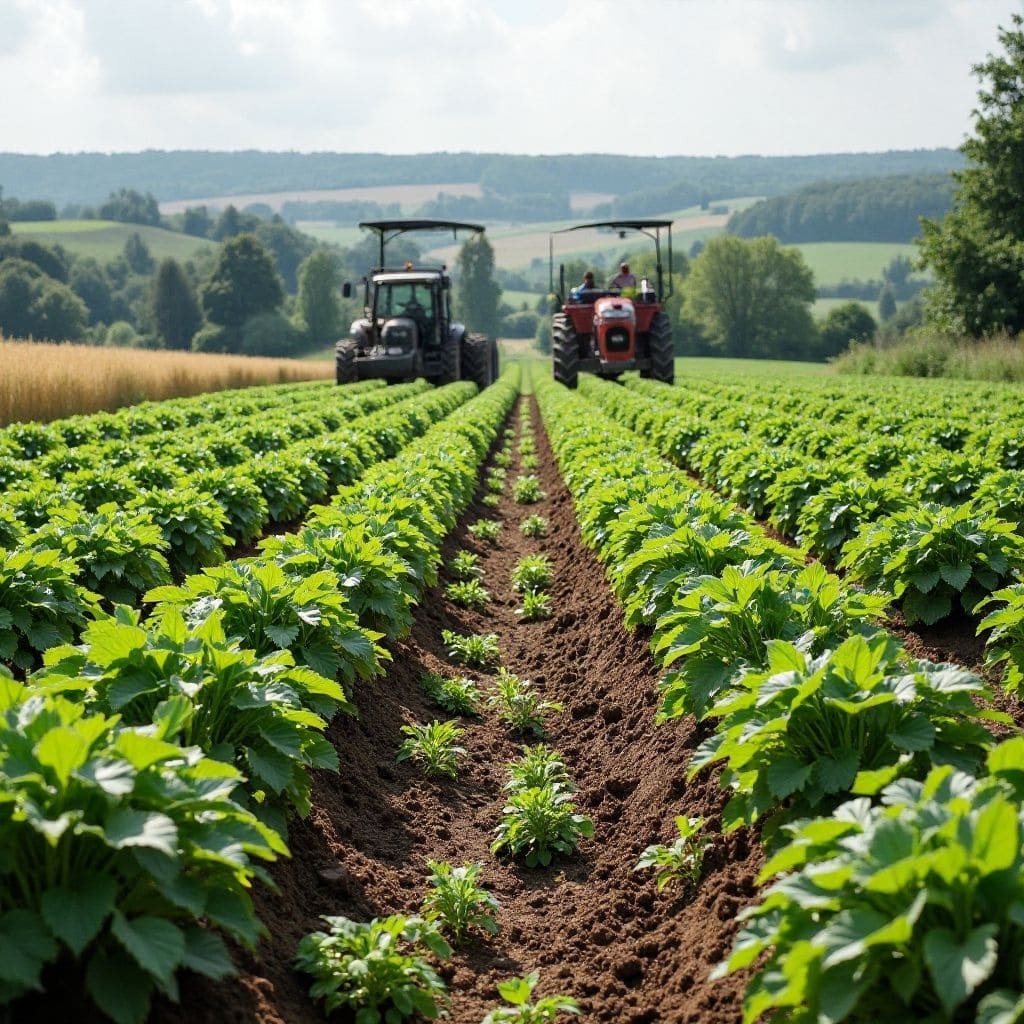
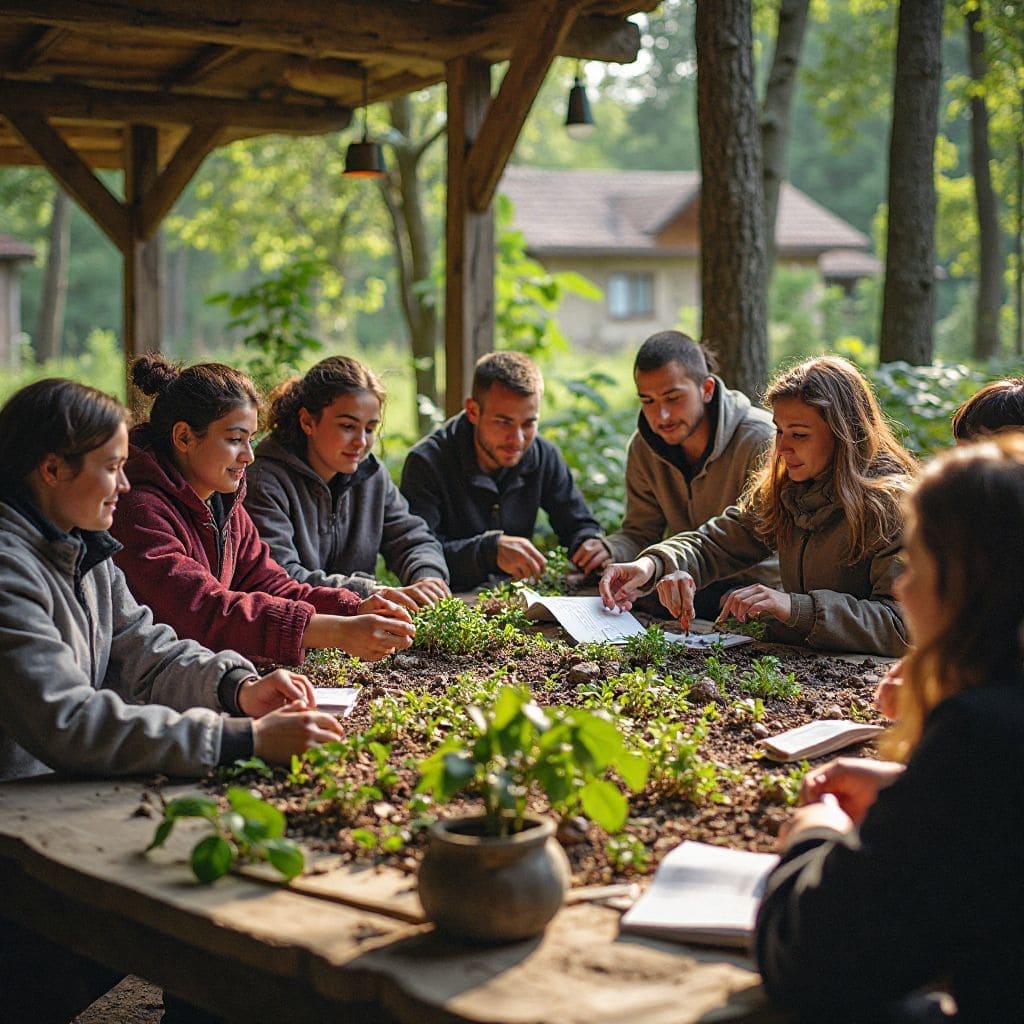
Romania's agricultural heritage spans millennia, and we're helping farmers blend traditional wisdom with modern sustainable practices. Our programs support the transition to organic farming methods that enhance soil health, conserve water, and eliminate chemical inputs. We've partnered with over 200 small-scale farmers to implement permaculture principles and regenerative techniques that increase yields while rebuilding ecosystem health and sequestering carbon.
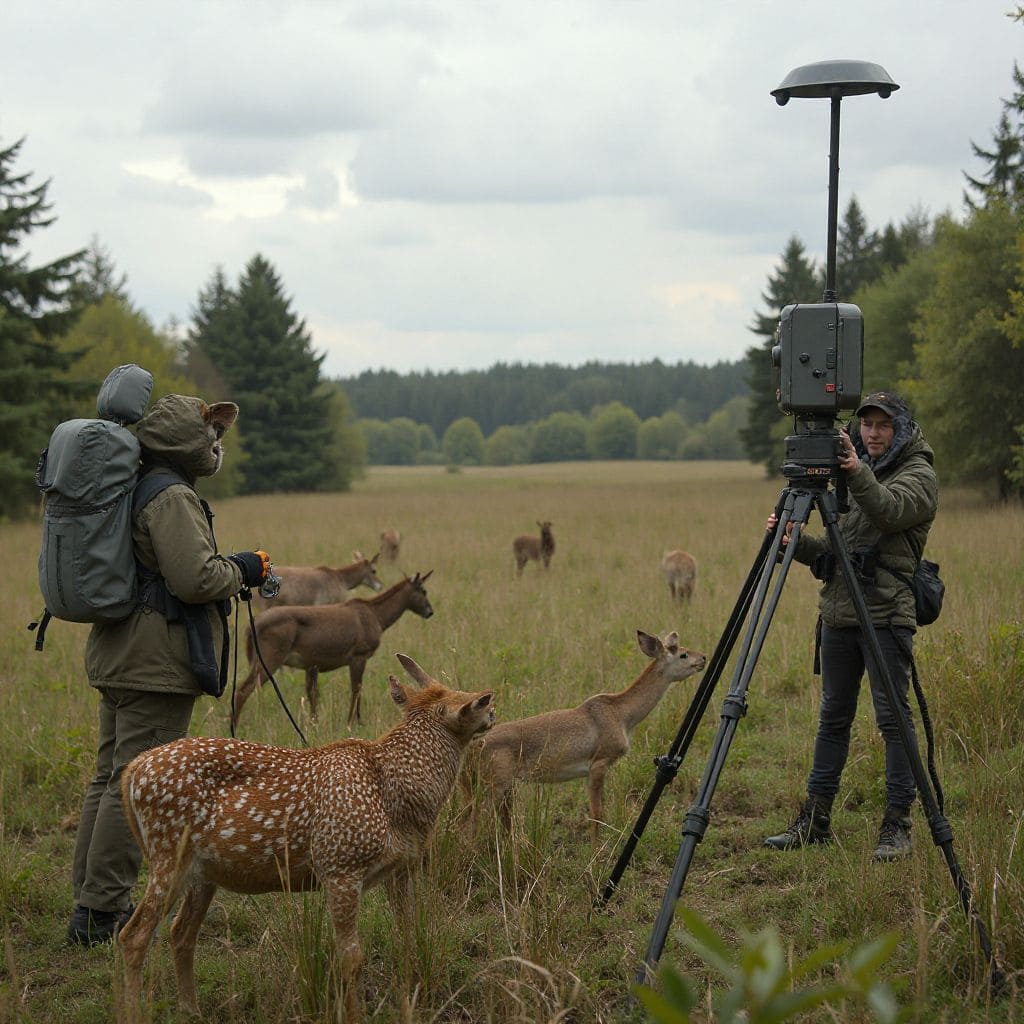
Romania hosts remarkable biodiversity, including many species that have disappeared elsewhere in Europe. Our protection programs focus on preserving critical habitats for endangered species like the European brown bear, wolves, and lynx. We've established wildlife corridors connecting fragmented habitats and implemented non-invasive monitoring systems. Our citizen science initiatives engage local communities in biodiversity monitoring, fostering a sense of stewardship for Romania's natural heritage.
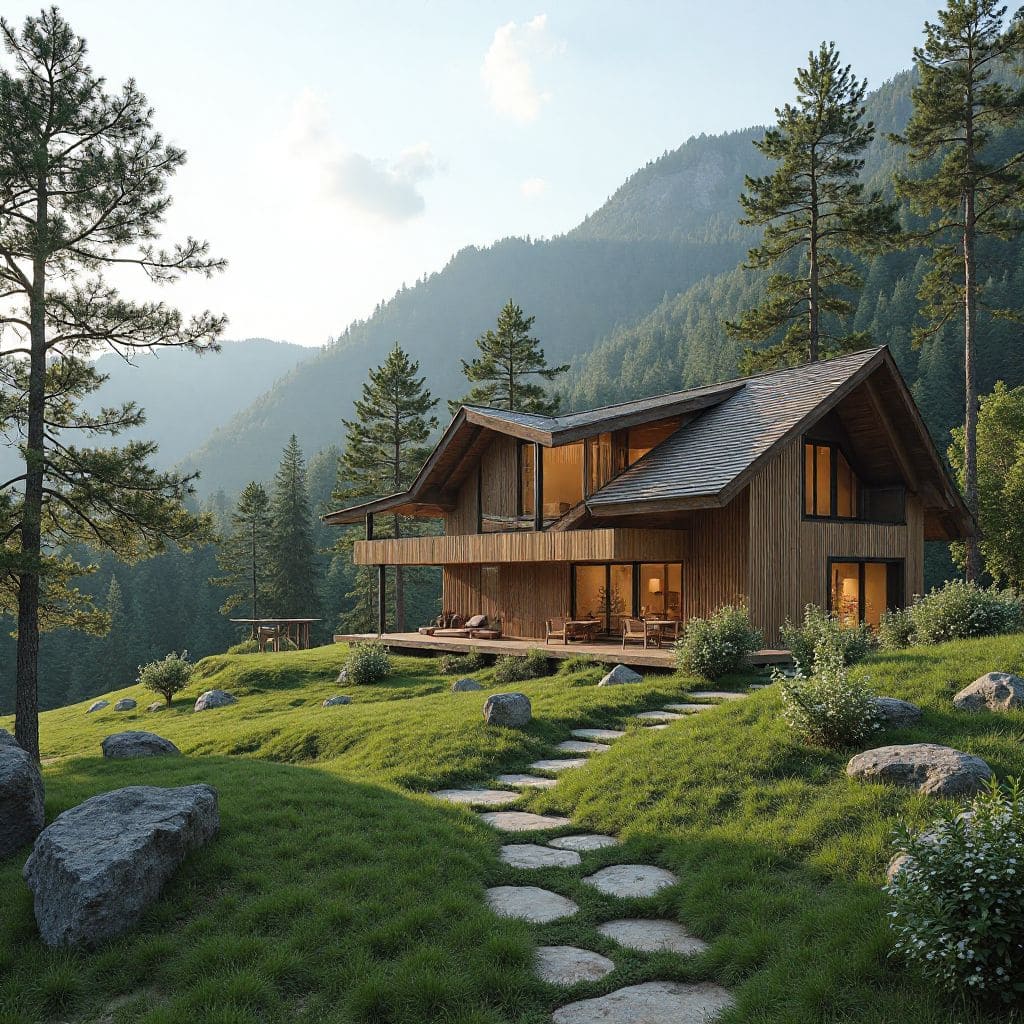
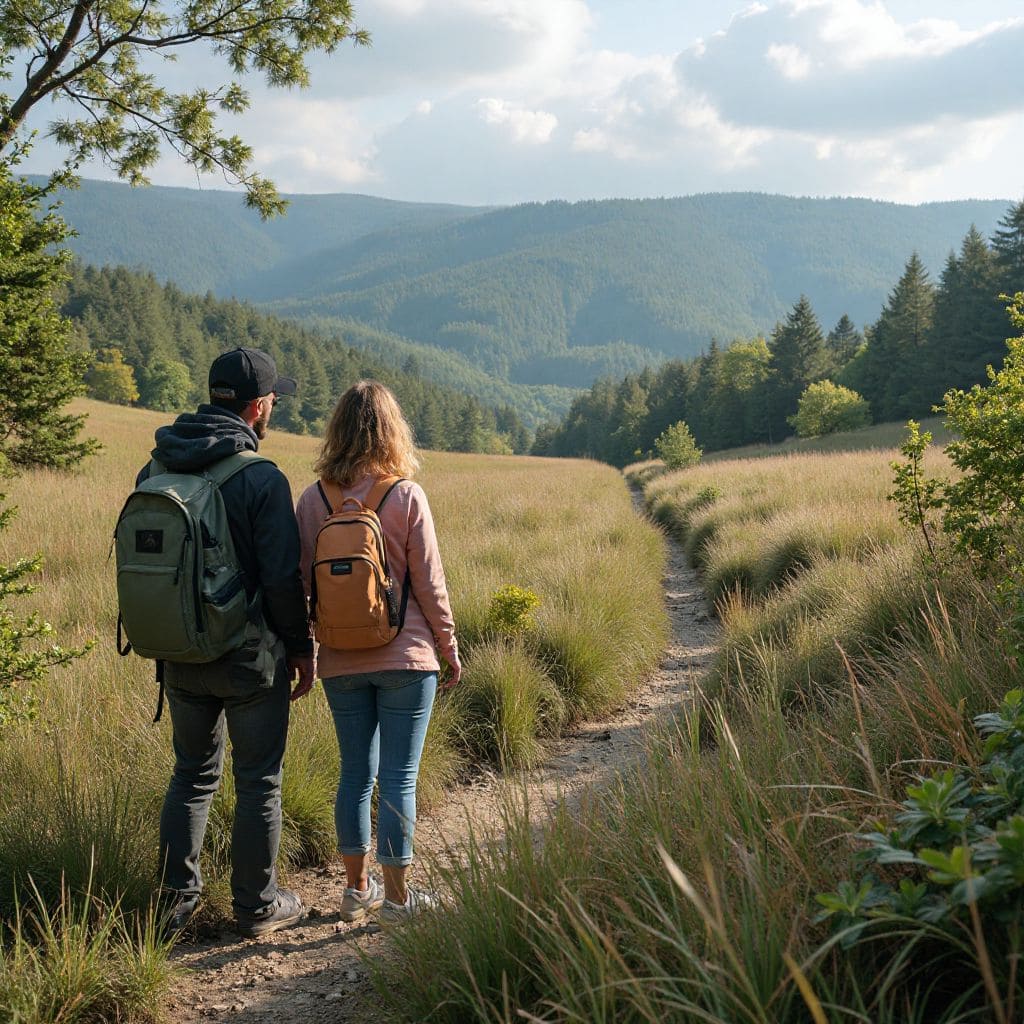
We're developing sustainable tourism infrastructure that allows visitors to experience Romania's natural wonders while minimizing environmental impact. Our eco-tourism network includes low-impact trails, wildlife observation platforms, and sustainable accommodations built with local materials. These initiatives generate revenue for conservation efforts while creating meaningful employment opportunities in rural communities. Each eco-tourism site incorporates educational elements about local ecosystems and conservation challenges.
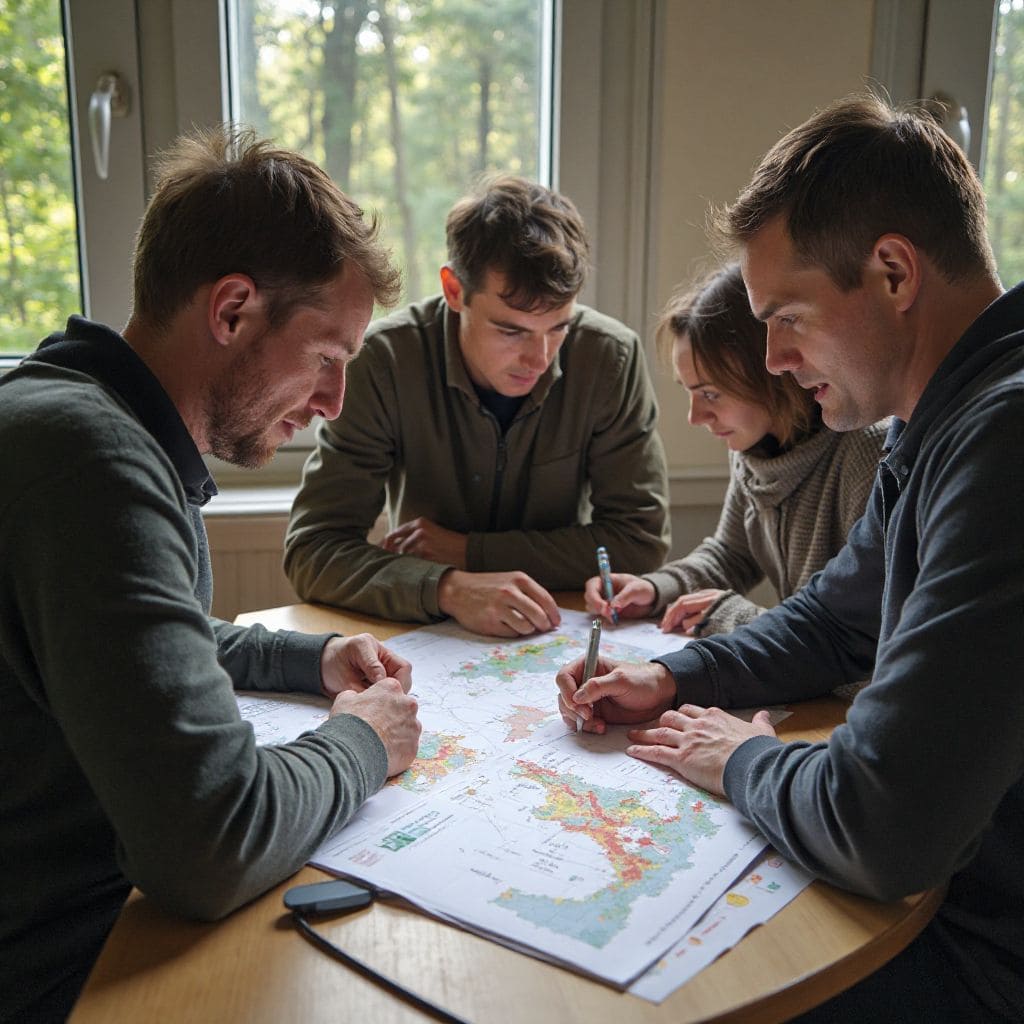
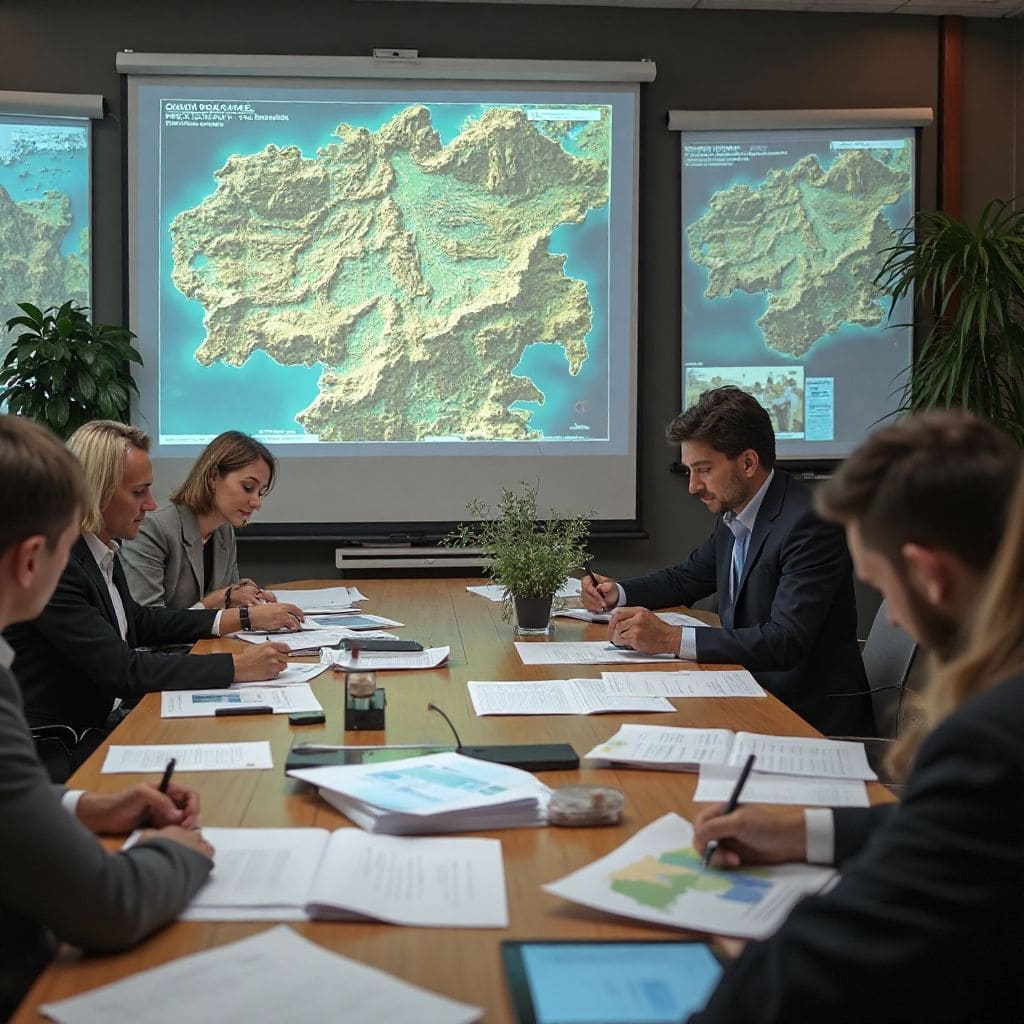
In early 2026, we'll establish our core foundation by bringing together environmental scientists, local community leaders, and sustainable development experts. This initial phase involves comprehensive ecological assessments across key regions in Romania, identifying priority conservation areas and developing our strategic roadmap for the next five years. We're partnering with universities to ensure our approaches are scientifically sound while incorporating traditional ecological knowledge.
Jan 2026
By mid-2026, we'll initiate our first wave of pilot programs across five distinct ecological zones in Romania. These include a forest regeneration project in the Carpathians, watershed restoration in the Danube Delta, sustainable agriculture conversion program in Central Romania, renewable energy microgrids for remote communities, and an urban rewilding initiative in Bucharest. Each pilot is designed with rigorous monitoring protocols to measure ecological and social impacts.
Apr 2025
As our initiatives take root, we'll focus on deeper community integration through educational programs, skills development workshops, and local leadership training. This phase emphasizes building capacity within Romanian communities to maintain and expand ecological projects independently. We'll establish environmental education centers in key regions, launch a mobile learning program for rural areas, and develop a digital platform for knowledge sharing among practitioners across the country.
Jul 2025
Based on data and lessons from our pilot programs, we'll begin scaling successful initiatives to new regions across Romania. This expansion phase includes establishing regional hubs for coordination, developing standardized methodologies that can be adapted to local contexts, and building partnerships with government agencies to incorporate our approaches into regional development plans. We'll implement a robust impact measurement framework to track ecological recovery, biodiversity indicators, and socioeconomic benefits.
Oct 2025
By the end of 2026, we'll consolidate our first year's achievements and finalize our long-term strategic plan through 2030. This vision encompasses establishing Romania as a European leader in ecological restoration, creating interconnected conservation corridors throughout the Carpathian region, developing a circular economy framework for rural communities, and building resilience to climate change impacts. We'll host an international symposium to share our methodologies and form alliances with similar initiatives across Europe.
Dec 2026
Our flagship forest restoration project in the Eastern Carpathians has successfully revitalized 500 hectares of degraded woodland. Using a mixture of native species and pioneering regenerative techniques, we've created a resilient ecosystem that supports the return of rare wildlife. Local communities have been integral to the project, with residents trained in sustainable forestry practices now employed as forest guardians.
The Mureș River Rehabilitation project has transformed a heavily polluted waterway into a thriving aquatic ecosystem. Through innovative biofiltration systems and community-led cleanup initiatives, water quality has improved by 70% over three years. The river now supports the return of native fish species and provides clean water for downstream communities. Local schools have incorporated the river's restoration into their curriculum.
The remote village of Vișeu de Sus has achieved energy independence through our integrated renewable energy program. A combination of micro-hydro, solar, and biomass systems now provides clean electricity for all 120 households. The community-owned energy cooperative manages the infrastructure and reinvests profits into local ecological initiatives. The model has attracted interest from dozens of other rural communities across Romania.
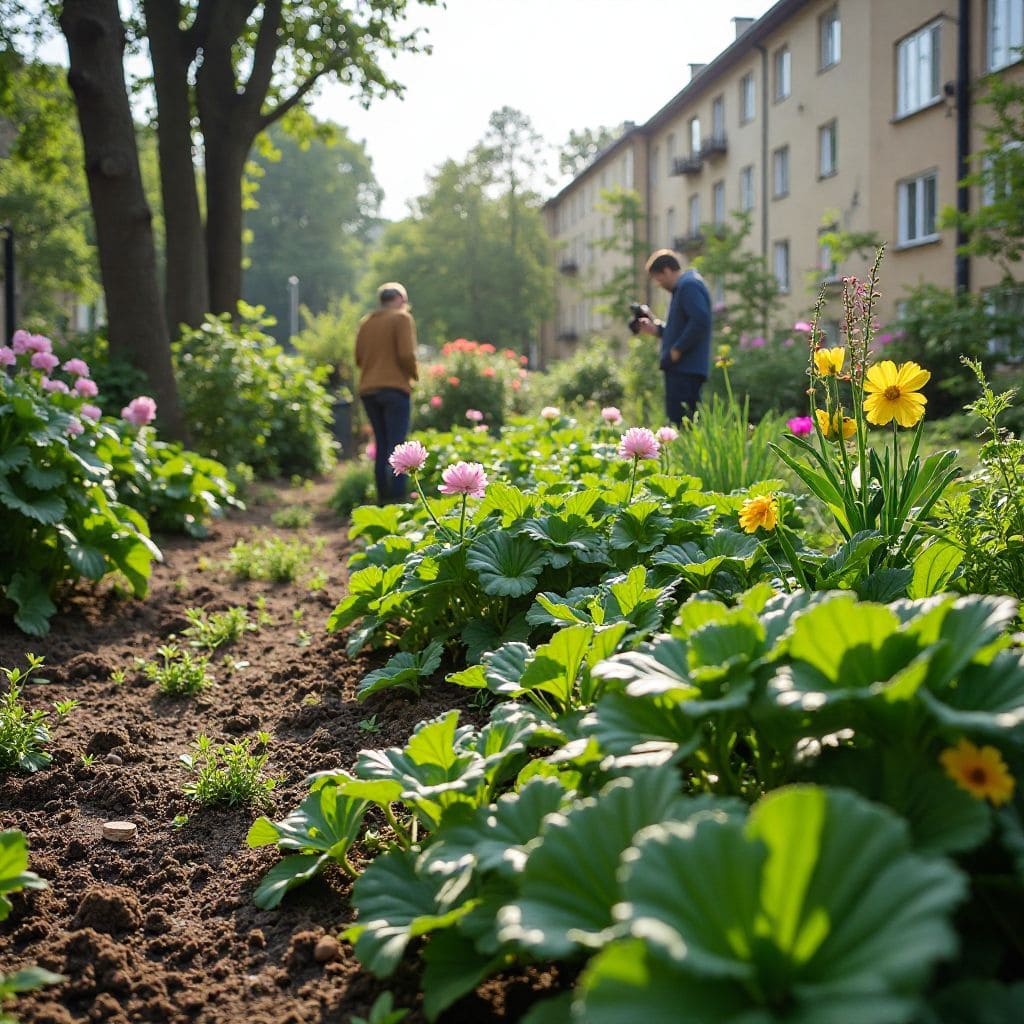
Our urban ecology initiative has transformed vacant lots in Bucharest into productive community gardens and biodiversity hotspots. Fifteen previously neglected spaces now serve as green oases, growing organic food and providing habitat for pollinators. The network of urban gardens has become an outdoor classroom for thousands of schoolchildren and has measurably improved air quality in surrounding neighborhoods.
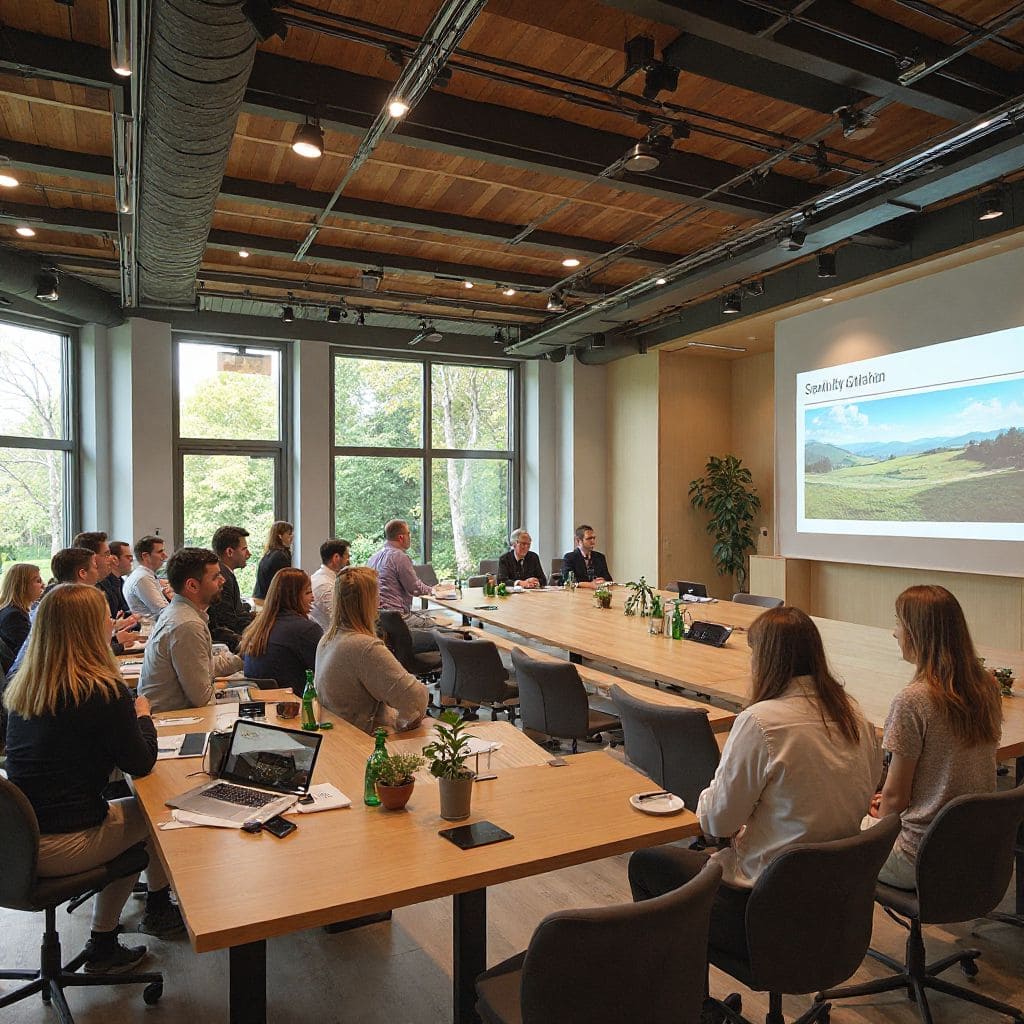
Join leading environmental experts, policymakers, and community leaders for three days of workshops, presentations, and networking focused on Romania's ecological future. Special sessions on forest conservation, water management, and sustainable agriculture.
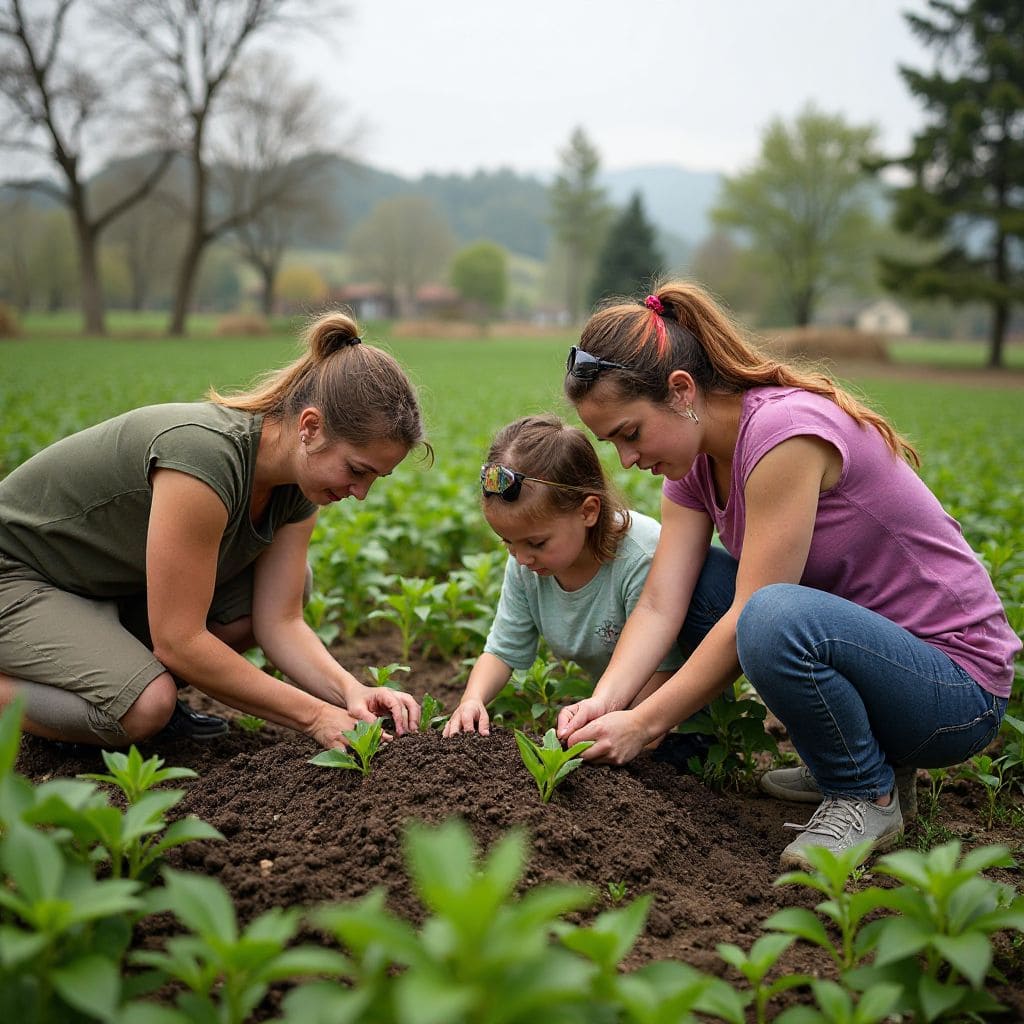
A hands-on workshop for farmers and gardeners interested in transitioning to organic and regenerative practices. Learn about soil health, natural pest management, water conservation, and season extension techniques adapted for Romania's climate.
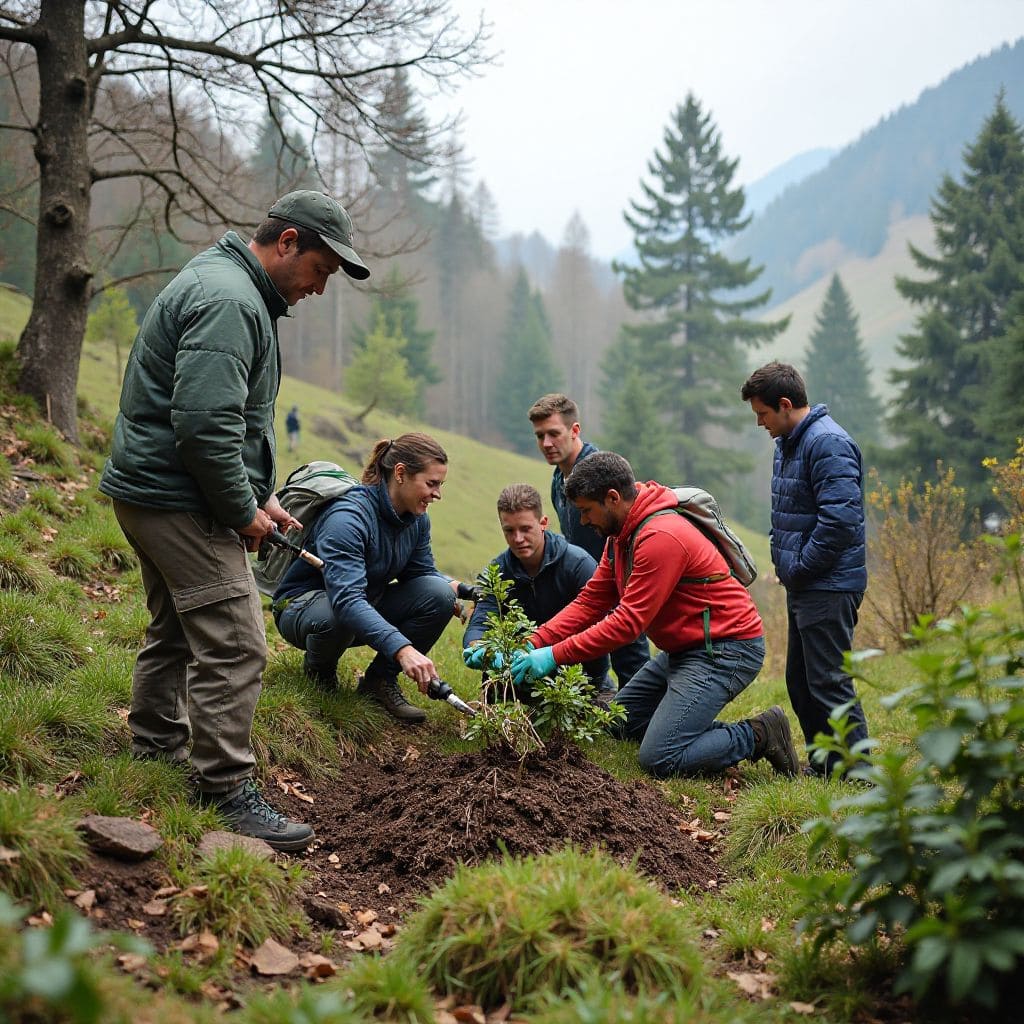
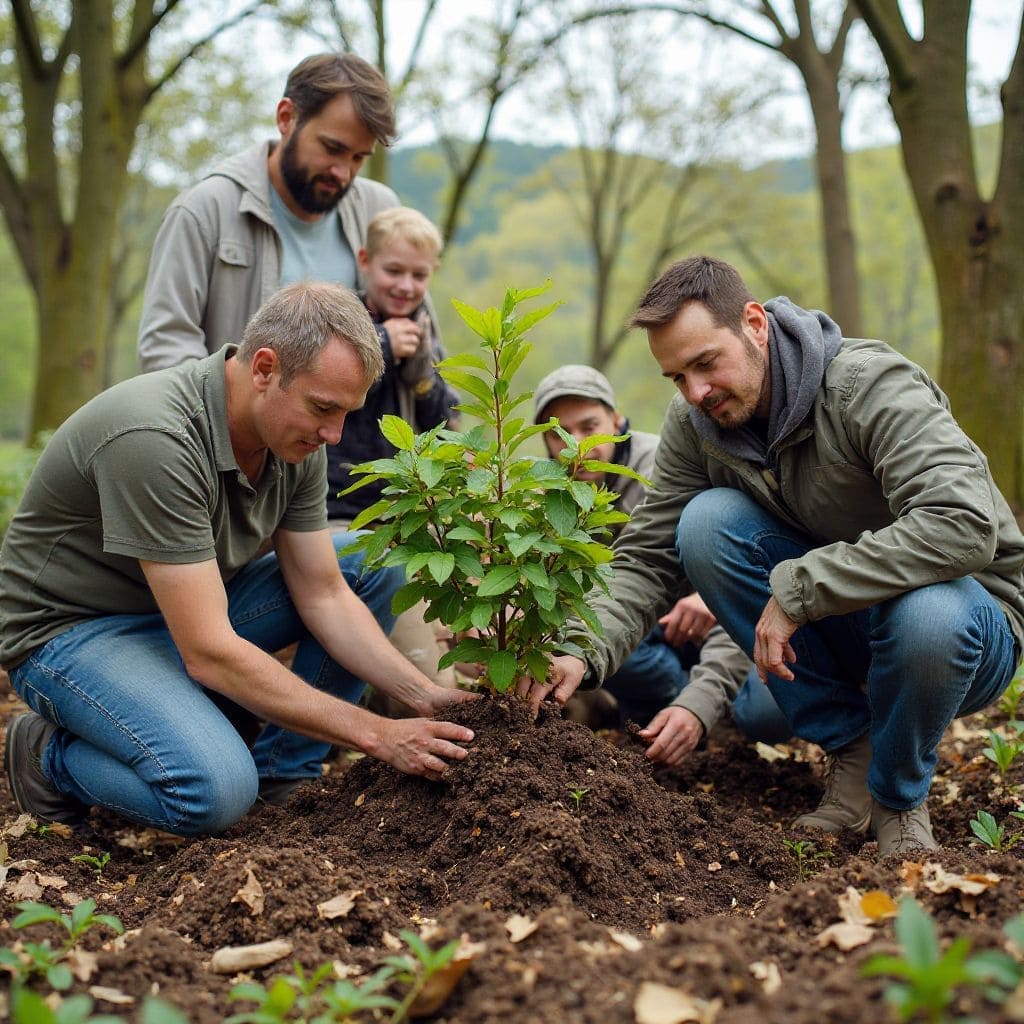
Join thousands of volunteers across Romania for our coordinated reforestation effort. We aim to plant 100,000 native trees in a single day. No experience necessary - training and tools provided. Family-friendly event with educational activities for children.
A 48-hour hackathon bringing together technologists, designers, and environmental experts to develop innovative solutions for Romania's ecological challenges. Cash prizes for winning teams and mentorship opportunities with leading sustainability organizations.
Experience the unique biodiversity of Europe's largest wetland ecosystem. This guided expedition includes bird watching, traditional fishing village visits, and discussions on conservation efforts. Expert naturalists will explain the delta's ecological importance.
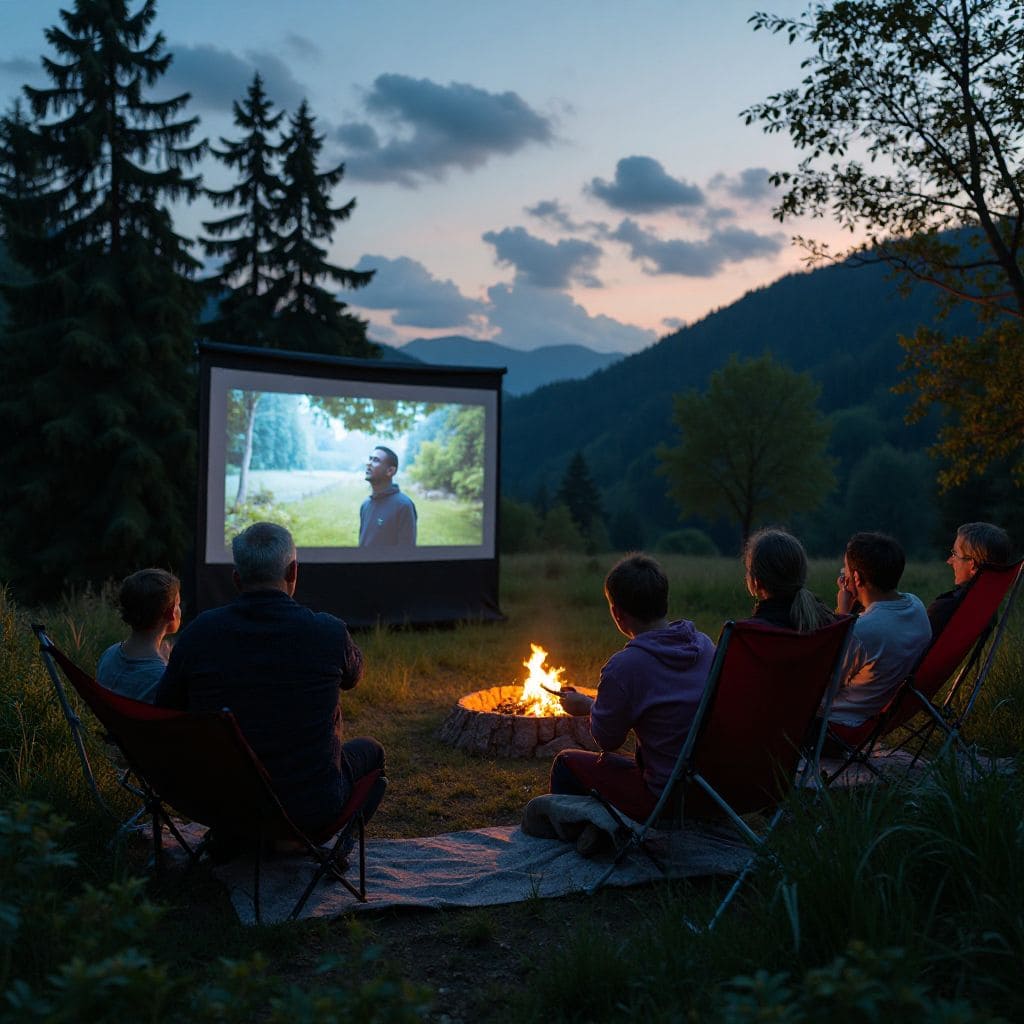
Three days of environmental documentaries, shorts, and feature films from around the world. Special focus on Romanian ecological stories. Panel discussions with filmmakers and environmental experts after selected screenings. Family-friendly programming included.
Our community brings together individuals passionate about preserving Romania's natural heritage. From students to retirees, urban professionals to rural farmers, we welcome anyone committed to creating a more sustainable future. By joining our community, you'll connect with like-minded individuals, gain access to specialized knowledge, and find opportunities to make a tangible difference.
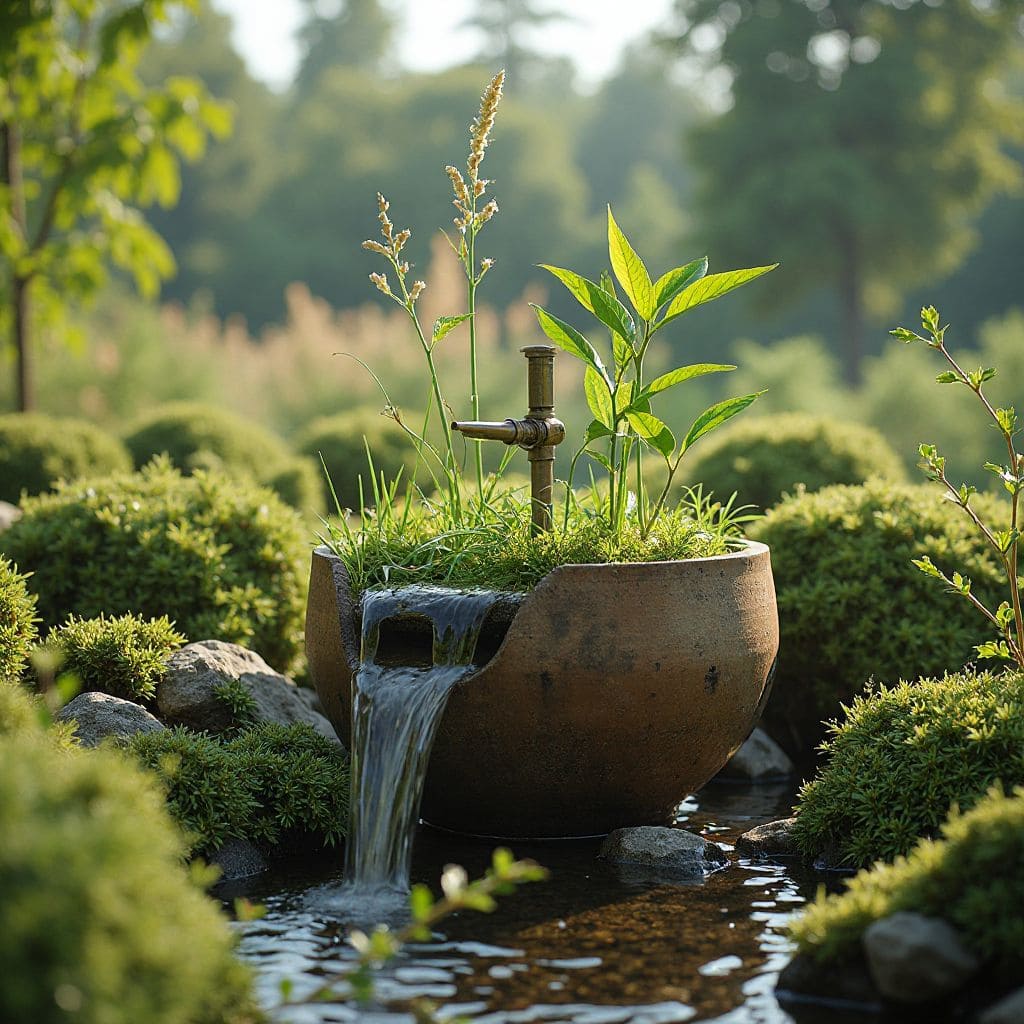
Inspired by natural wetland ecosystems, our biomimetic water filtration systems utilize native plant species and microorganisms to purify contaminated water. These systems require minimal energy input and create valuable wildlife habitat while effectively removing pollutants from agricultural and industrial runoff.
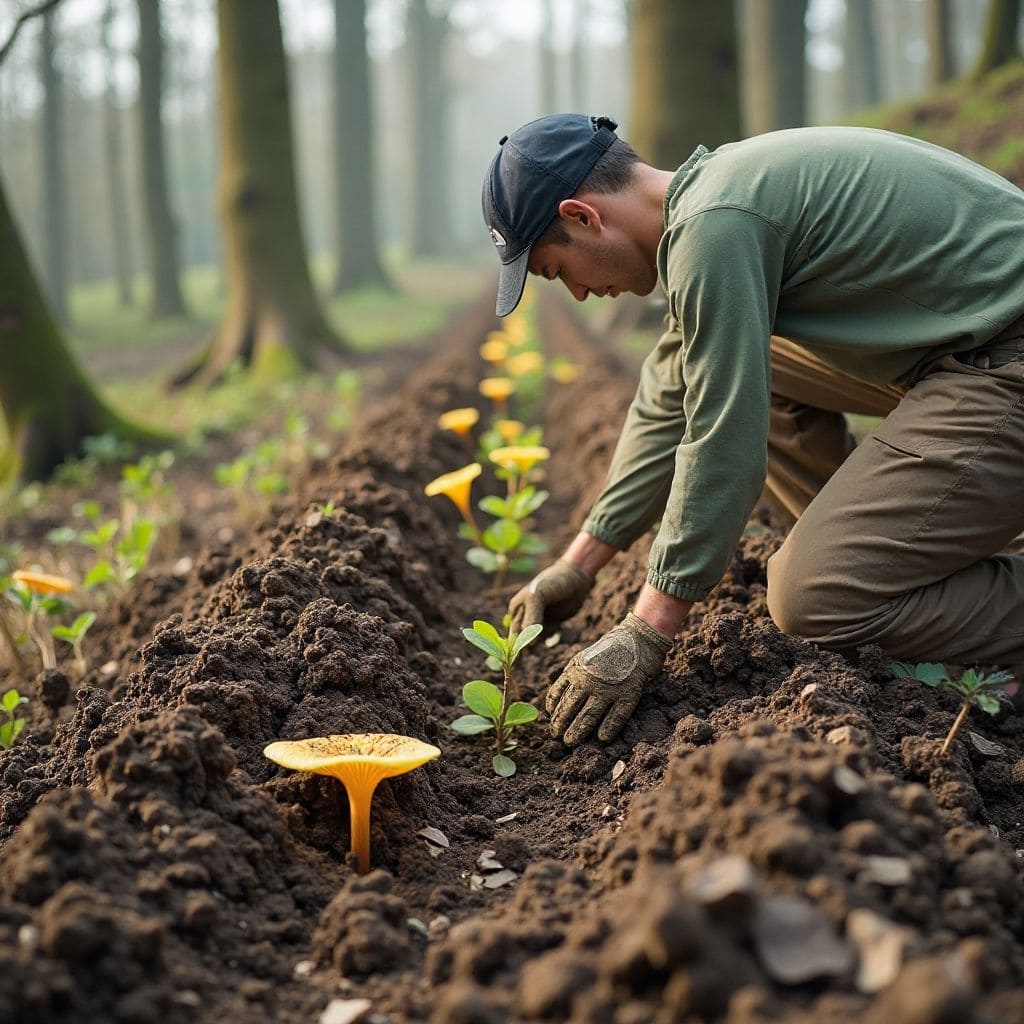
Our pioneering work with fungal networks is transforming how we approach soil contamination. By identifying and cultivating native mushroom species, we've developed mycoremediation systems that break down persistent pollutants, restore soil health, and sequester carbon simultaneously.
In collaboration with Romanian tech startups, we've developed an AI-powered biodiversity monitoring system that uses acoustic sensors, camera traps, and environmental DNA analysis to track ecosystem health in real-time. This data-driven approach allows for rapid response to threats and more effective conservation decisions.
Our comprehensive approach to ecological restoration was featured in Environmental Policy Quarterly as a potential model for other Eastern European countries facing similar environmental challenges.
The National Geographic highlighted our participatory approach to conservation, where local communities are empowered to lead ecological initiatives with scientific guidance.
Our work blending traditional Romanian agricultural practices with contemporary ecological science was profiled in The Economist as a sustainable model for food production.
Our mycorrhizal network approach to forest regeneration was featured in Scientific American, demonstrating faster recovery rates for degraded Carpathian forest ecosystems.
Bloomberg Green published an in-depth report on how our renewable energy initiatives are creating economic opportunities in previously marginalized rural Romanian communities.
Our integrated approach to ecosystem restoration has been recognized by the European Commission as a potential template for the European Green Deal implementation in Eastern Europe.
23 Strada Plantelor
Bucharest, 023971
Romania
+40 21 123 4567
Monday - Friday: 9:00 AM - 5:00 PM
Weekends: Closed (Except for scheduled events)